Inscribed Architecture
A Design Discipline Authored by Mimi Plange
Our Practice is a design language of structure, surface, and memory.
It moves across garments, objects, textiles, and interiors,
treating each as a site where form can carry mark, rhythm, and meaning.
What appears decorative reveals a deeper logic:
a system of construction, repetition, and relief through which material records intention.
In this work, form is not merely shaped,
it is inscribed.
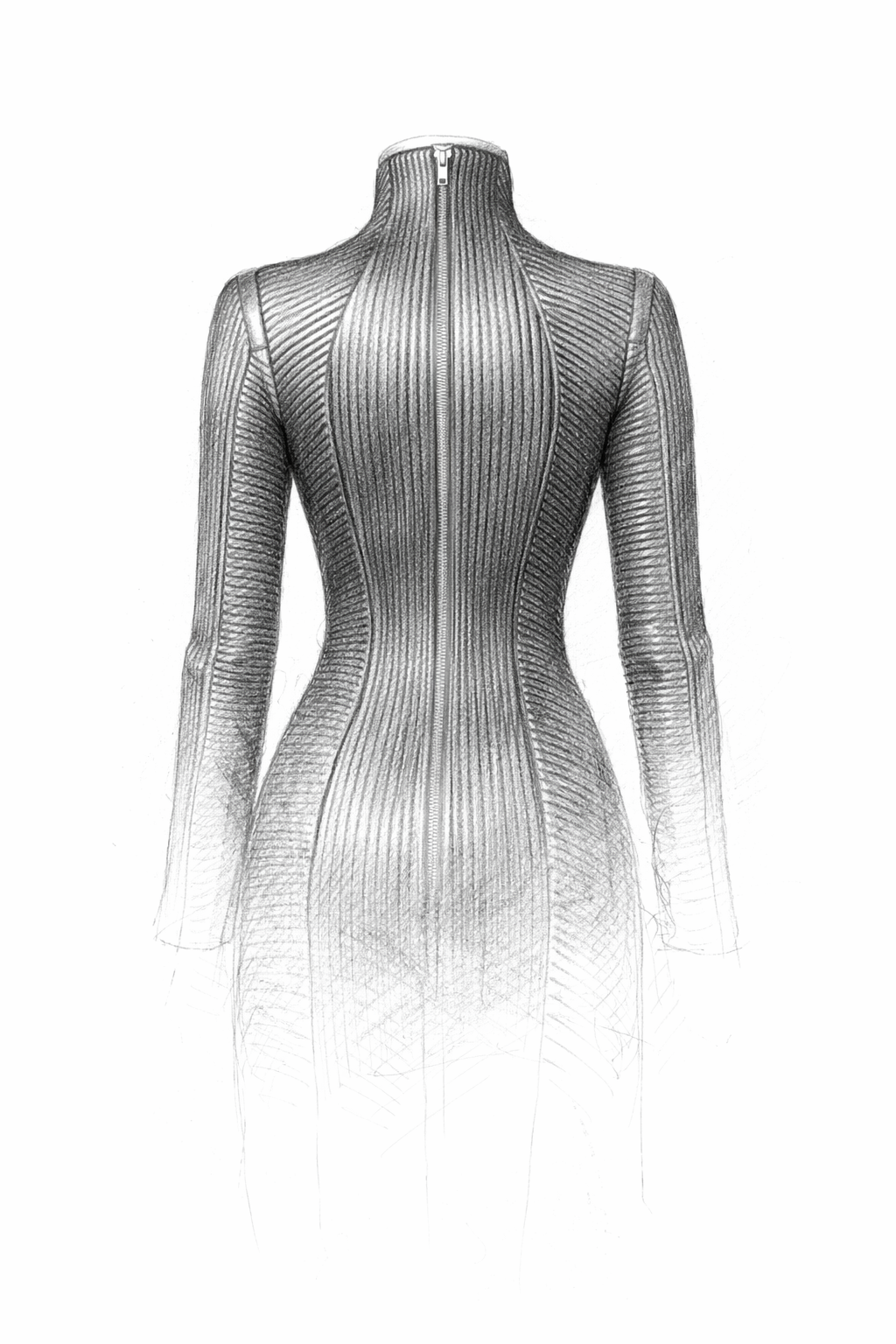
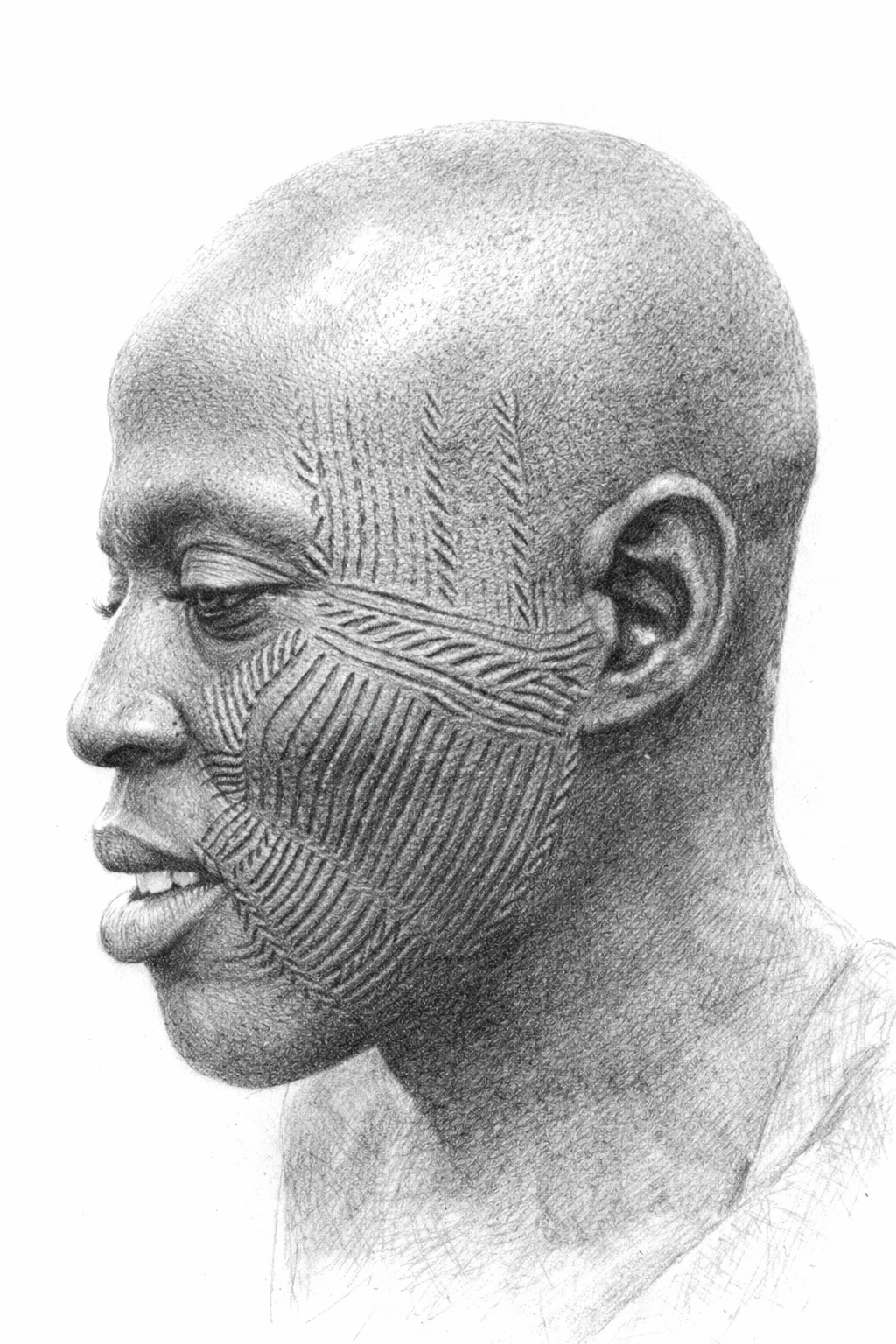
We approach design beyond the surface,
treating material as a site of inscription.
Ancient African scarification,
the ritual of cutting or engraving designs into the skin
to create decorative scars used as story-telling, cultural identification, wellness and art is the
foundation of our practice.
It's geometry is central to our language,
creating structure through design and meaning.
It offers a way of understanding how mark can hold memory, how surface can carry history, and how form can be
shaped through inscription.
Scarification can be understood as a visual language shaped by the same symmetry, rhythm, and geometry found throughout nature. Its patterns often echo the order of river channels, the contour lines of land, the spiral growth of shells, the ribbing of seed pods, the striping of bark, the veining of leaves, the tessellation of cracked earth, and the balanced repetition seen in feathers, scales, and woven nests.
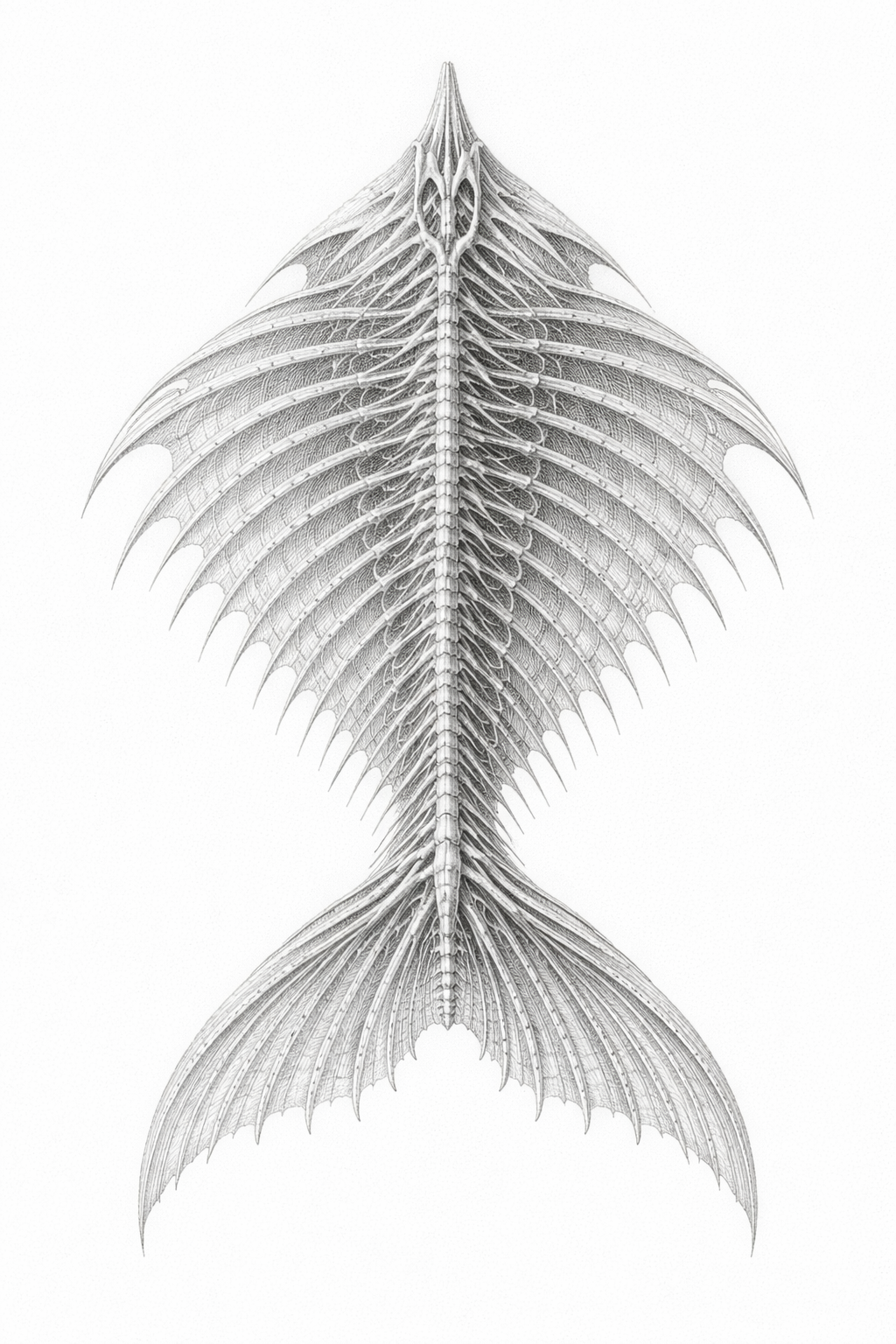
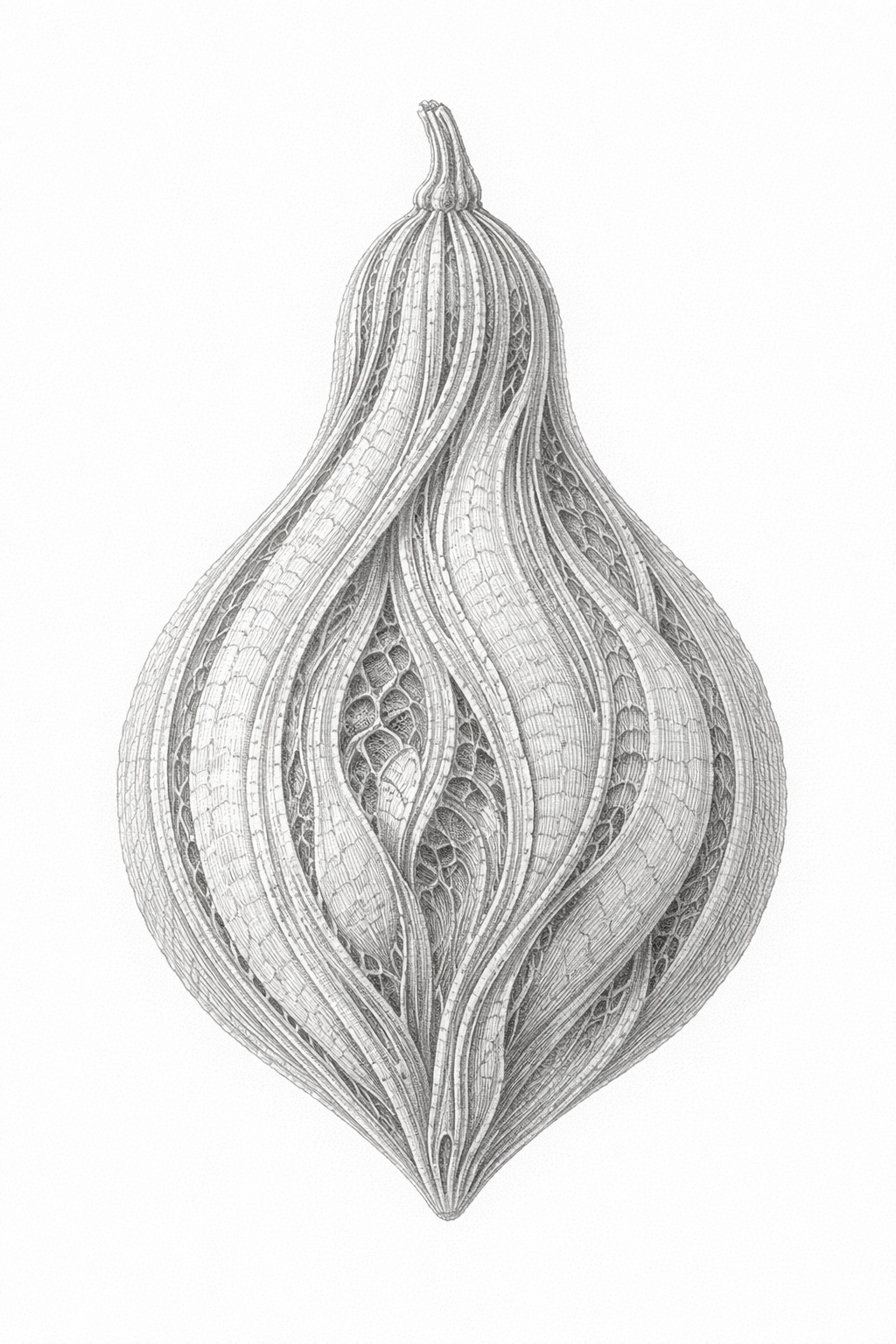
A language across
Body ^ Object - Space \ Culture
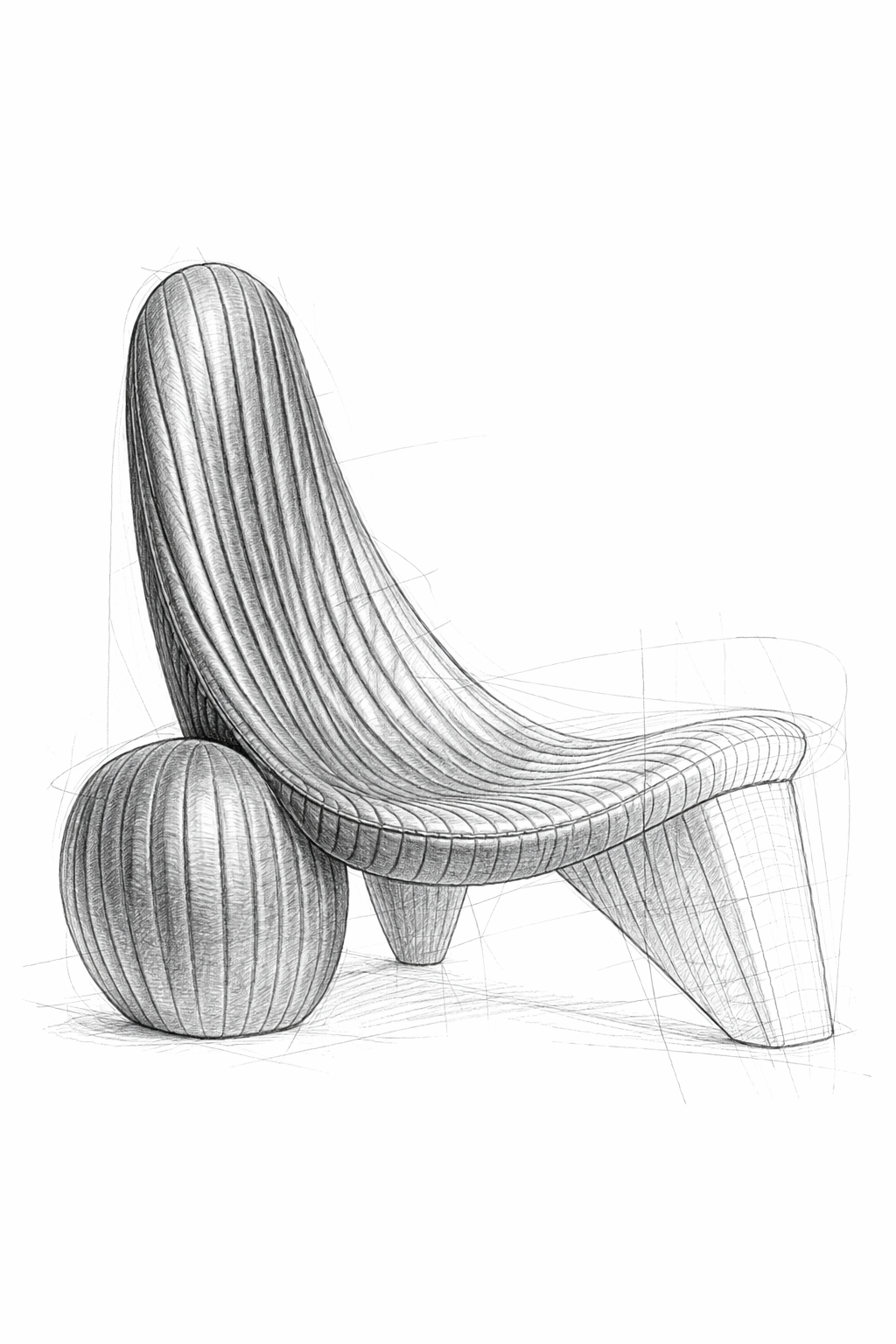
All design begins in observation of the natural world.
In our practice, relief, line, and rhythm are used as structural elements. Surfaces are pressed, stitched, carved, layered, and repeated until they begin to carry tension,
history, and presence.
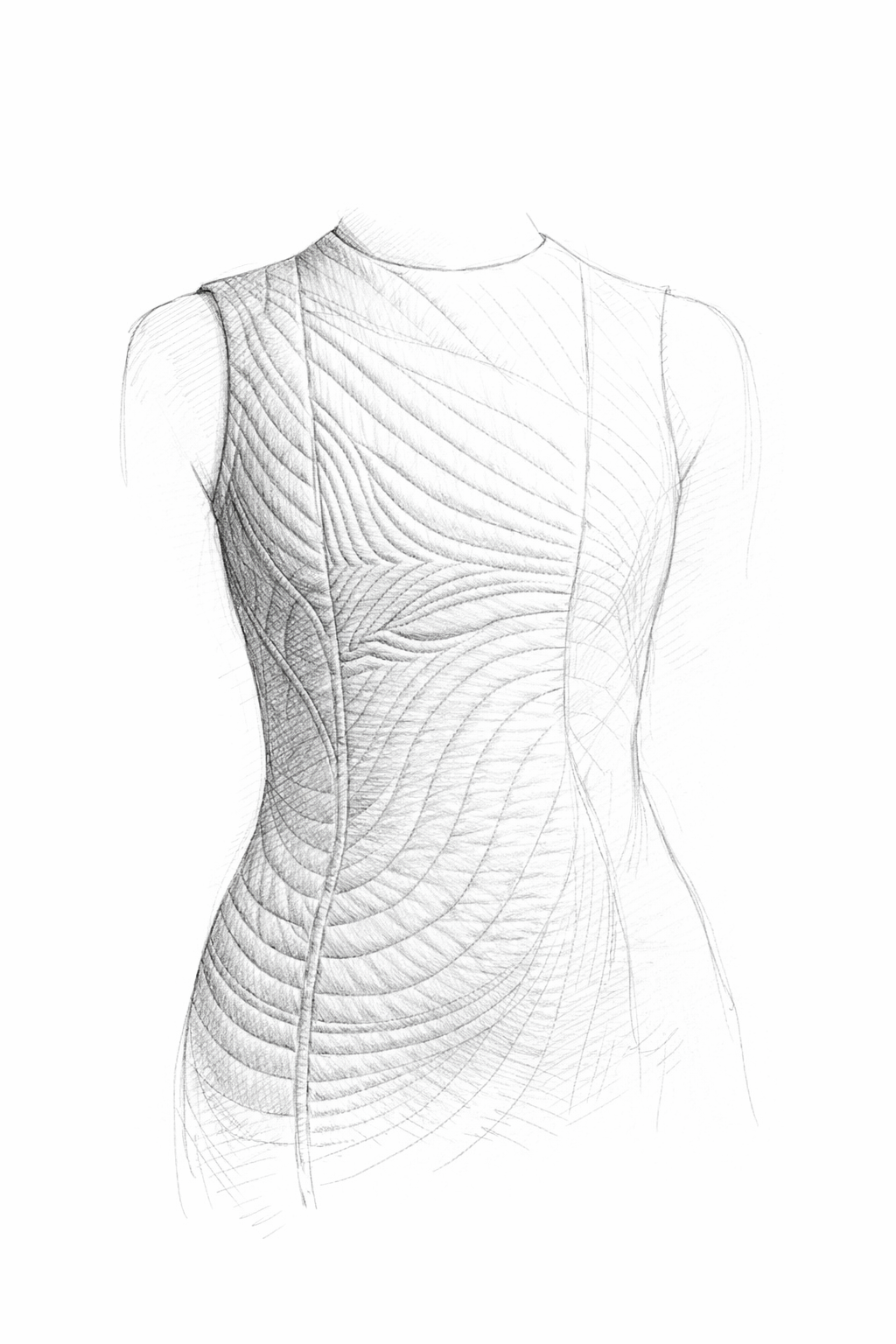
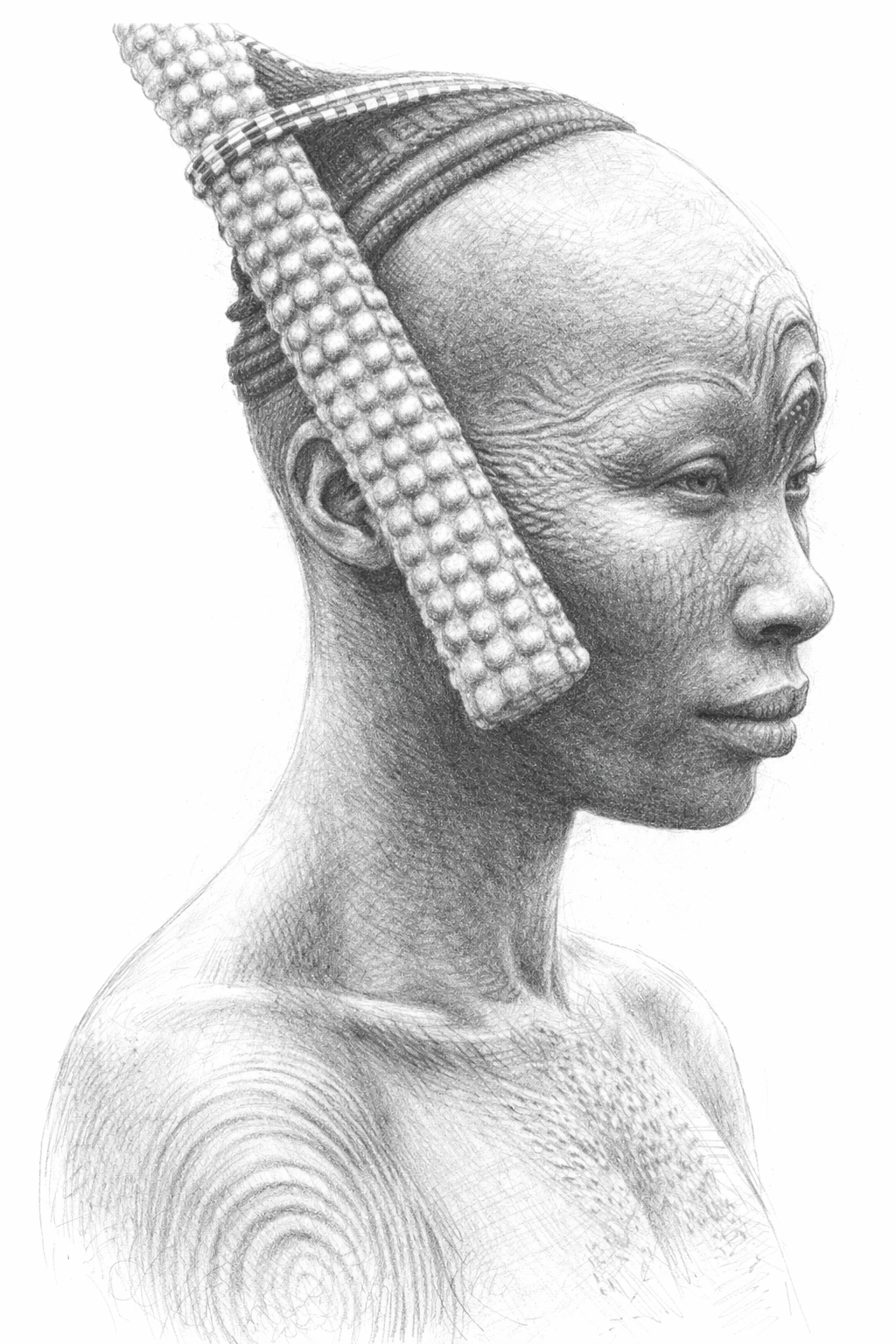
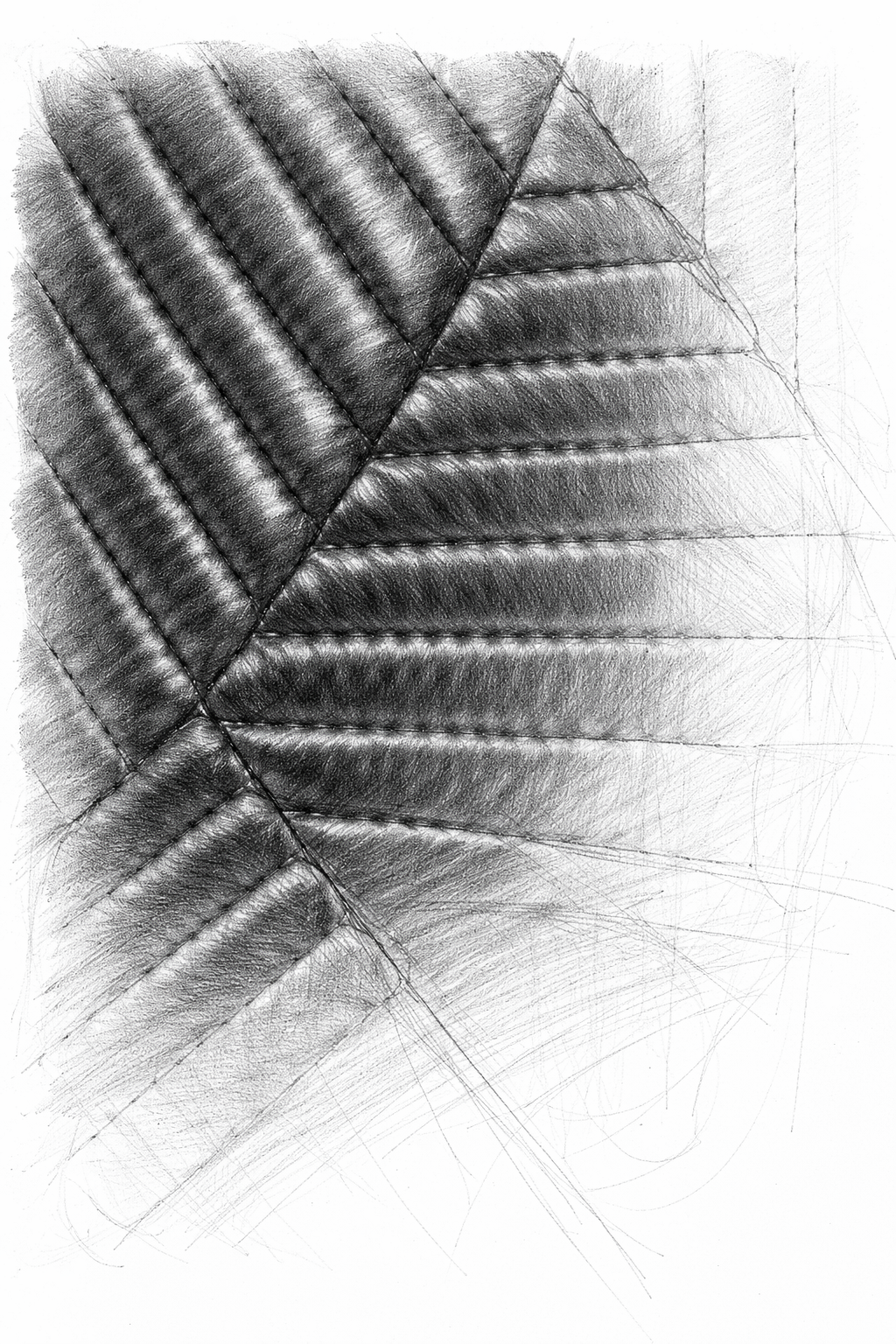
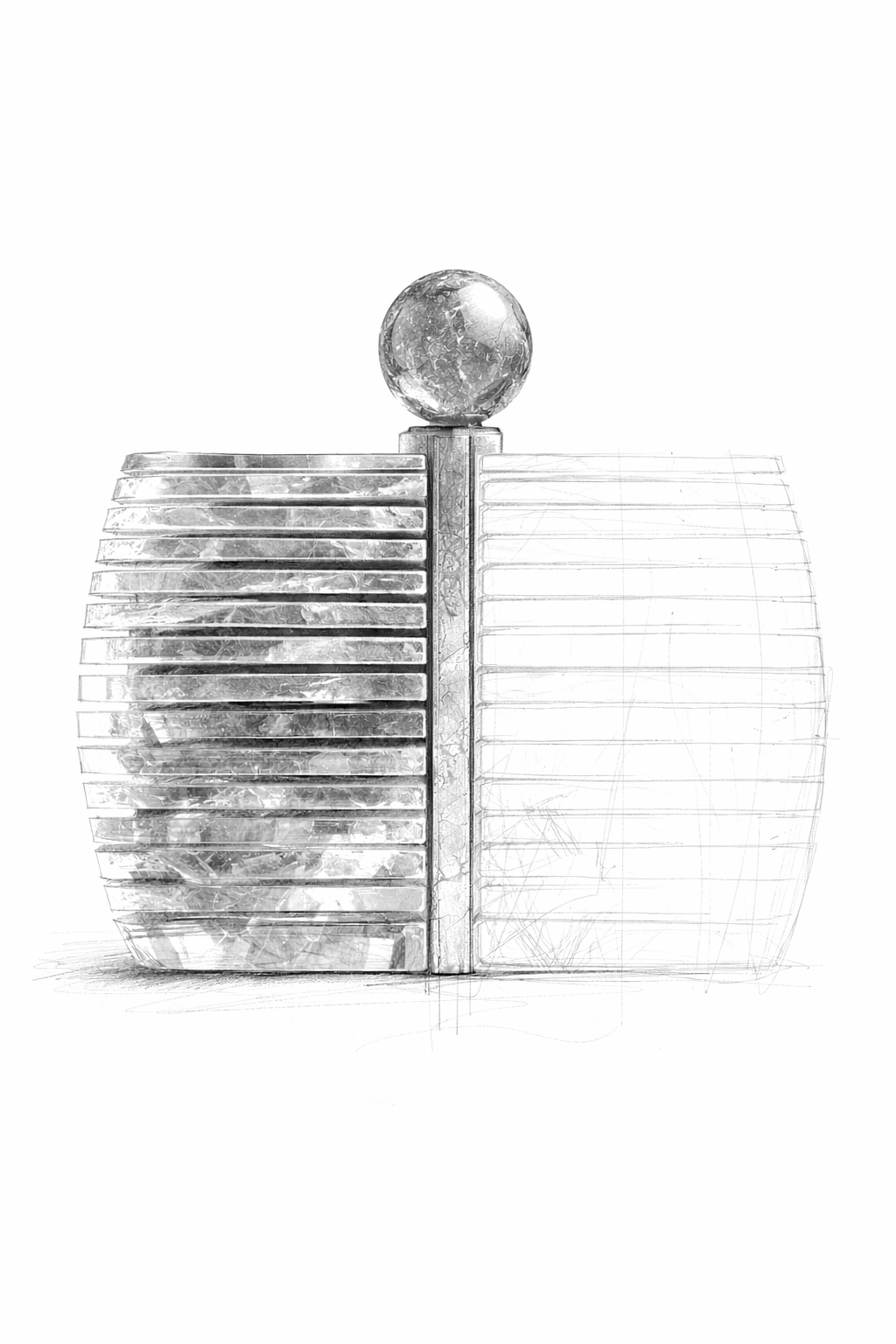
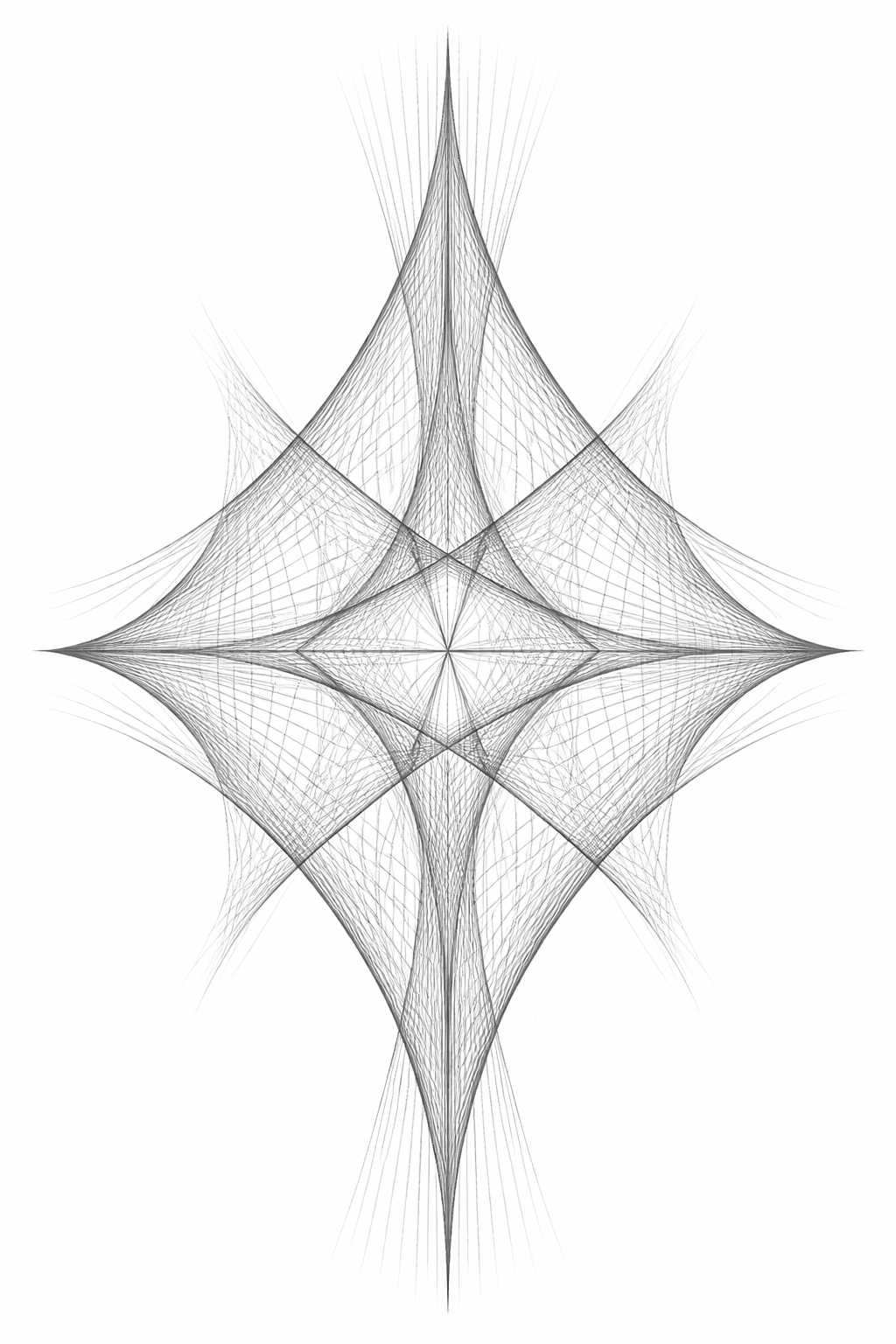
The logic draws from old world traditions
in which meaning is embedded directly into material.
Architectural reliefs, engraved objects and bodies
express cultural history through geometry,
showing mark, structure, and memory
are inseparable.
All is connected.
We craft with care and build with intention,
creating designs with lasting form.
True craft is a sustainable act,
one that respects the past and
considers the future.
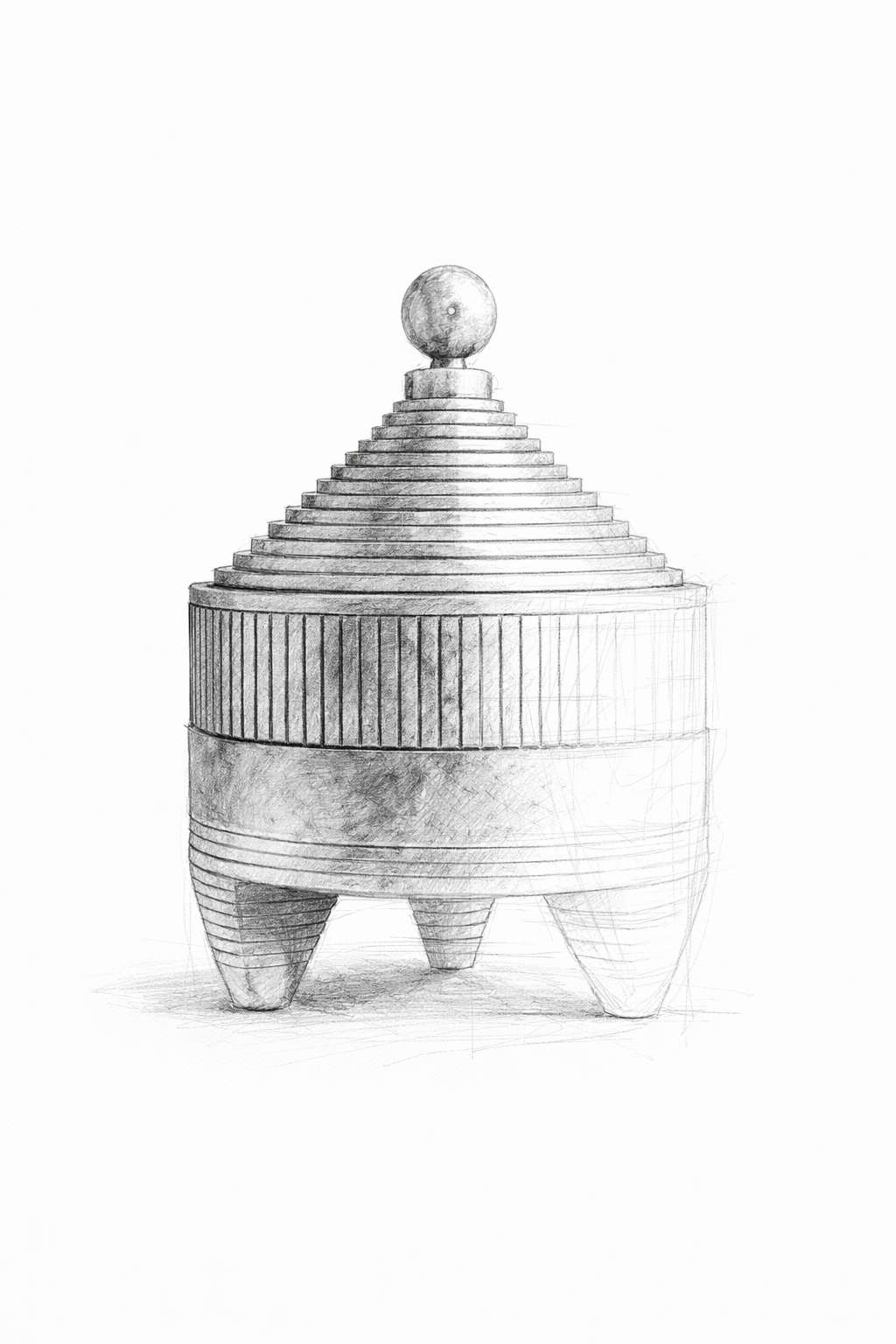
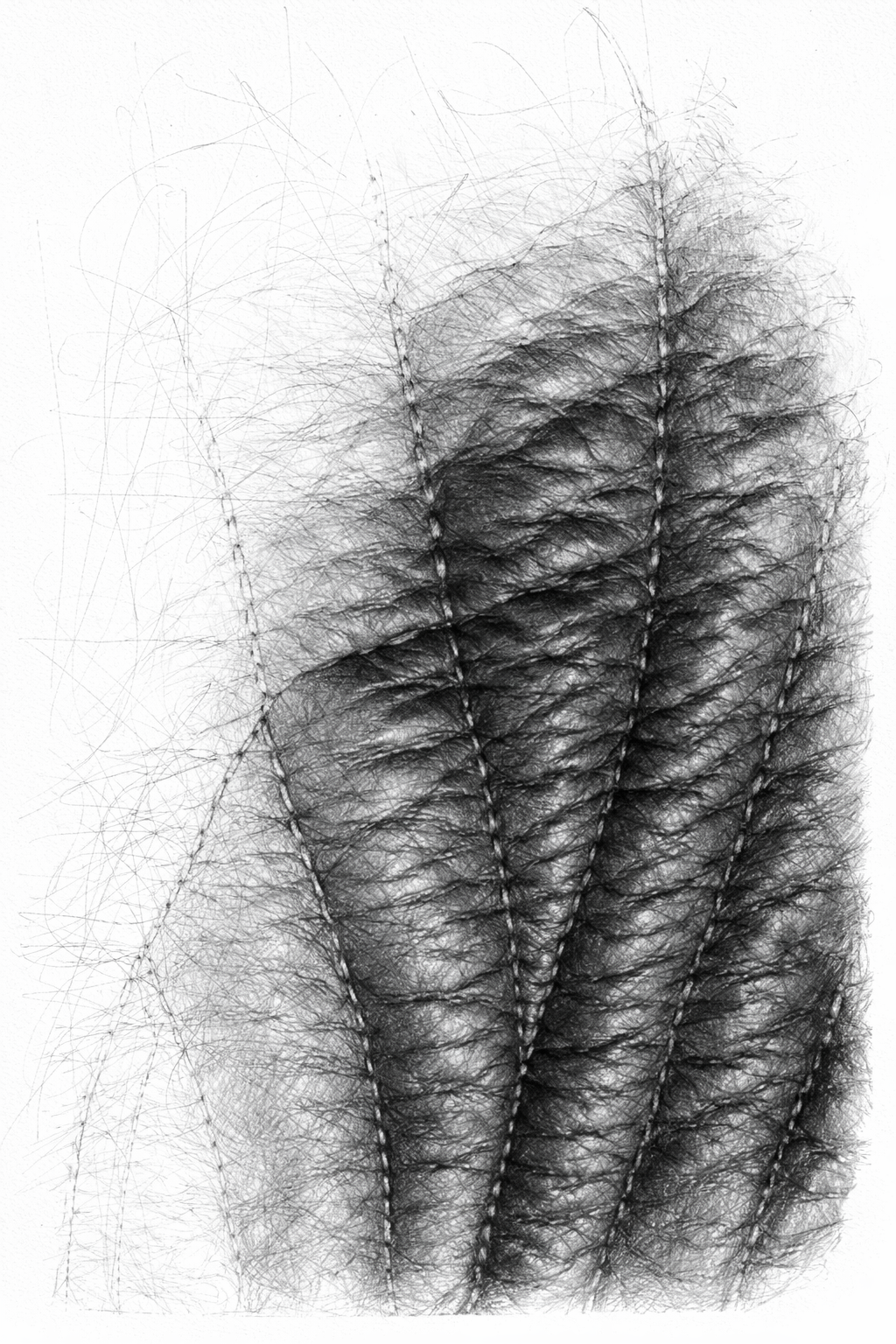
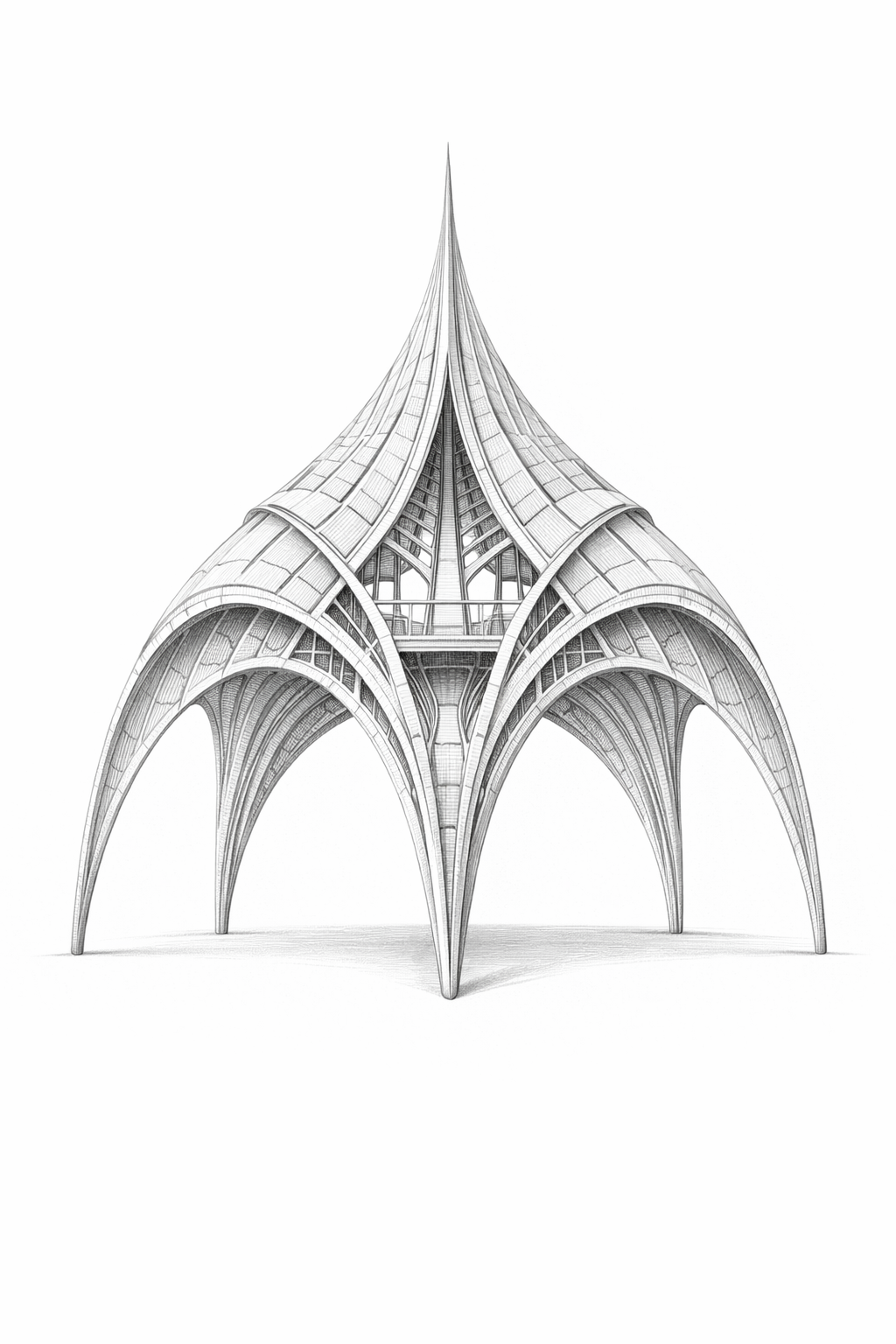
Inscribed Architecture speaks to both past and present, drawing on memory, ritual, and inherited form through a contemporary lens. It is a practice shaped by structure, material, and surface, where meaning is embedded and design moves without boundary.